Wendy Koch · 7 October 2026
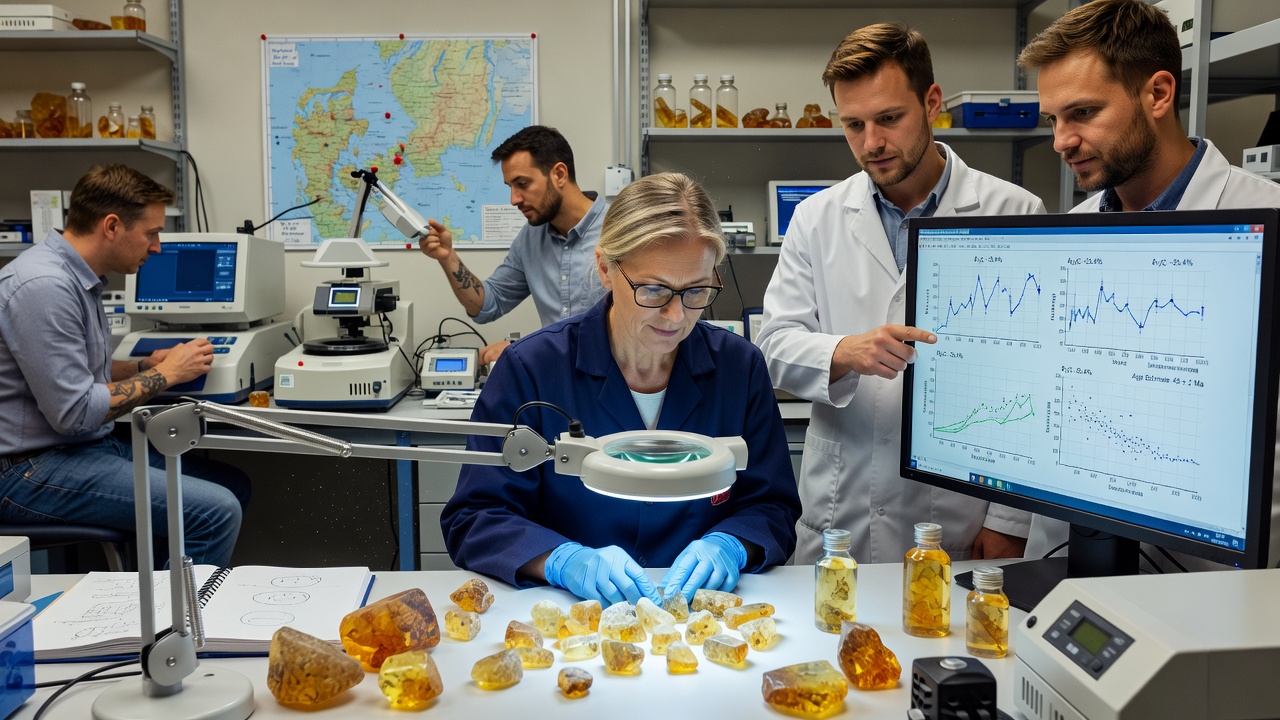
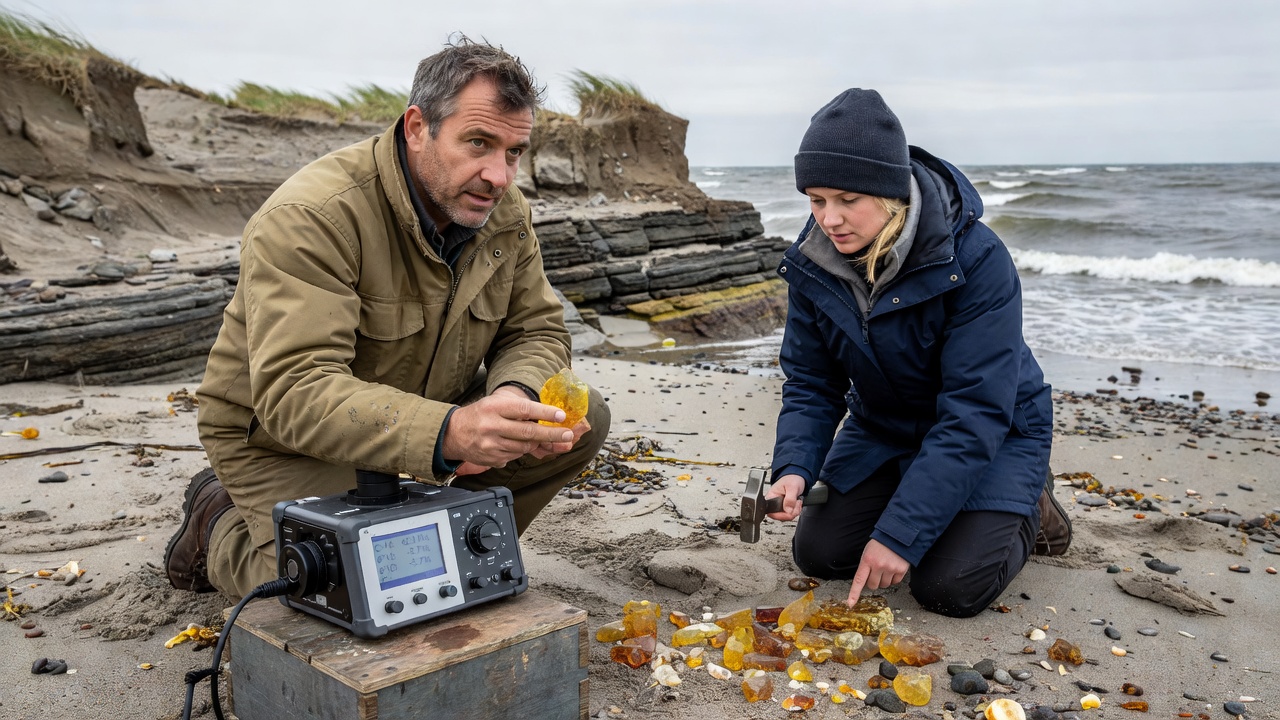
Researchers at Amber Research Laboratory have successfully dated newly identified Baltic amber deposits using advanced isotopic techniques, providing fresh insights into the region's geological history. The study focused on samples from previously unexplored coastal sites in northern Poland, where amber concentrations suggested potential for significant finds. By applying isotopic analysis, the team established an age range of 44 to 48 million years for the deposits, refining previous estimates based solely on stratigraphic correlation.
Methodology of Isotopic Analysis
The laboratory employed a combination of stable isotope ratio mass spectrometry and laser ablation techniques to measure carbon, oxygen, and strontium isotopes within the amber and surrounding sediments. These methods allowed precise determination of formation conditions without relying on traditional radiocarbon dating, which is ineffective for materials older than 50,000 years. Samples were cross-referenced with known Eocene amber from established sites to validate results. The process involved meticulous sample preparation to avoid contamination, followed by high-resolution imaging to map isotopic variations across individual pieces.
Data revealed consistent isotopic signatures indicating a subtropical forest environment during the middle Eocene epoch. Variations in oxygen isotopes pointed to fluctuating sea levels that influenced resin preservation. This approach marks a departure from conventional visual and chemical classification methods, offering higher accuracy for fragmented or weathered specimens commonly found in Baltic regions.
Implications for Amber Research
The findings expand the known distribution of Baltic amber beyond traditional mining areas, suggesting broader Eocene forest coverage than previously modeled. Laboratory director Dr. Elena Voss noted that these dates align with global climate reconstructions, linking amber formation to periods of high resin production in response to environmental stress. The research also highlights potential applications for tracing amber trade routes in archaeological contexts through isotopic fingerprinting.
Future studies will integrate these techniques with genomic analysis of preserved inclusions to reconstruct ancient ecosystems. The results contribute to ongoing efforts at the laboratory to build a comprehensive database of European amber chronologies, aiding both scientific understanding and conservation planning for coastal deposits vulnerable to erosion.