Wendy Koch · 17 November 2026
Polish Secondary Schools Integrate Regional Resin Samples into Practical Chemistry Curricula
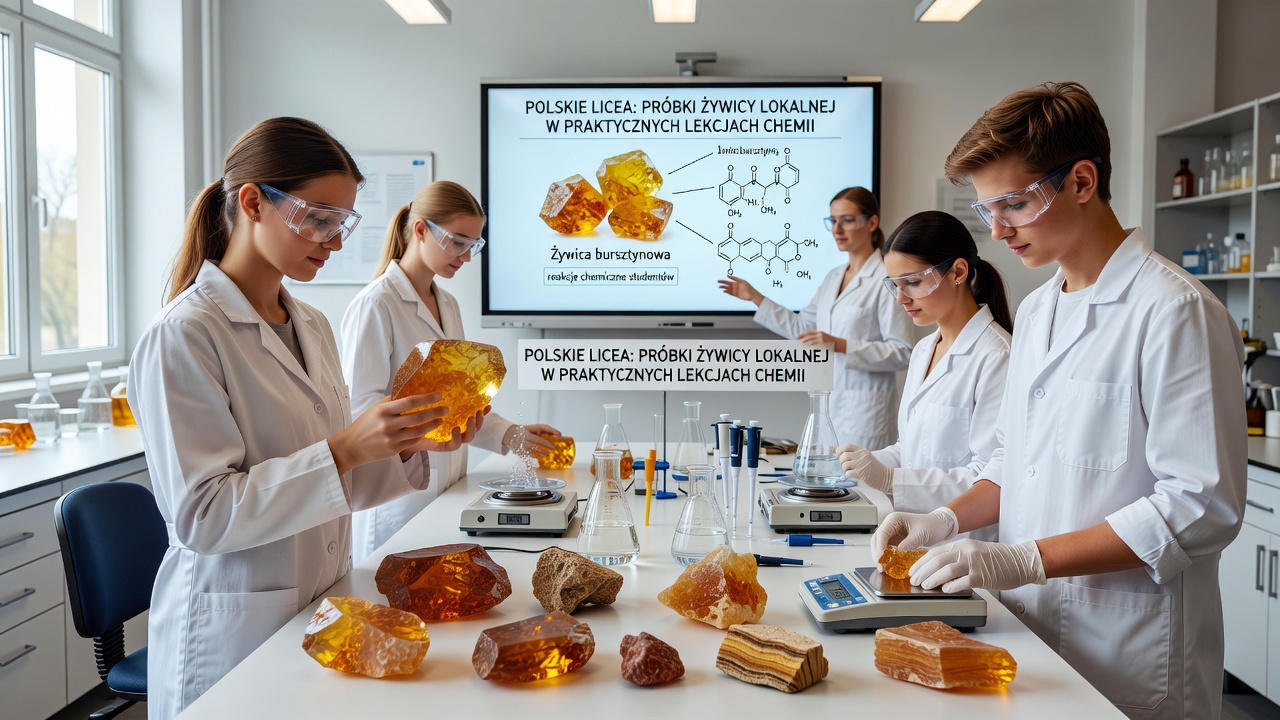
Schools across Poland have begun incorporating specimens of local resin into standard chemistry courses, giving students direct access to materials sourced from regional deposits for experiments on molecular structure and compound behavior. Educators select samples from Baltic coastal areas where resin occurs naturally, then prepare them for classroom use through basic cleaning and sectioning techniques that preserve original chemical profiles.
Lessons focus on properties such as solubility, thermal response, and polymerization tendencies, with students performing titrations and spectroscopic readings on the same material types found in nearby geological formations. Data from these sessions show consistent patterns in terpene content and oxidation markers that align with published profiles from academic collections.
Program Structure and Daily Implementation
Teachers coordinate with regional suppliers to maintain steady supplies of resin, while lab protocols require students to document variables including temperature during melting tests and solvent interactions during extraction steps. Classes typically run for ninety minutes, during which groups rotate through stations equipped with basic refractometers and pH meters calibrated for organic samples. Records kept by participating districts indicate that over 120 schools adopted the modules by the end of 2025, with further expansion scheduled for November 2026 when updated lab manuals become available through the national education framework.
Each module begins with macroscopic observation followed by microscopic examination, allowing learners to note color variations and inclusions before moving to quantitative measurements. Instructors emphasize safety procedures for handling volatile fractions released during heating, and student reports must include calculations of yield percentages from small-scale distillations.
Chemical Concepts Addressed Through Resin Work
Resin samples provide concrete examples of natural polymers, enabling discussions of cross-linking and aging processes that occur over geological time scales. Students compare fresh resin behavior with aged specimens to observe shifts in viscosity and acid values, data that connect directly to textbook chapters on organic reaction mechanisms. European Union reports on educational resource use list similar hands-on approaches in neighboring countries, though Polish programs uniquely tie material selection to domestic geological sources.
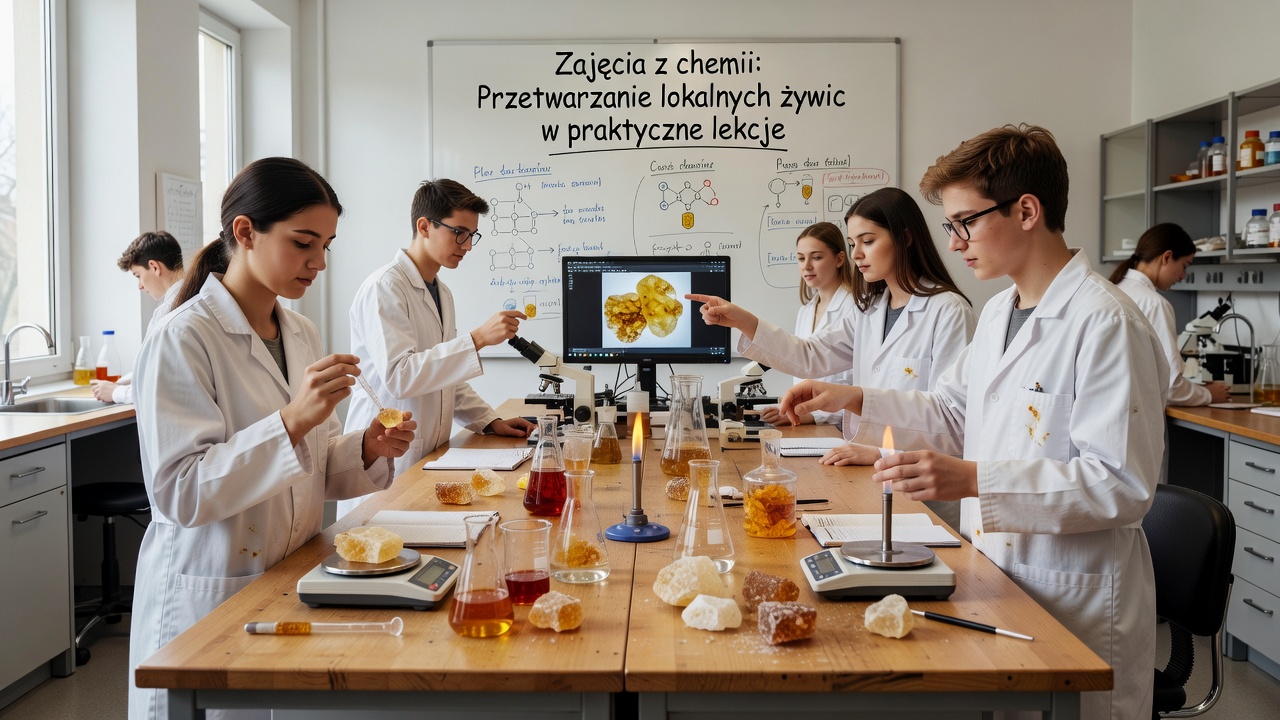
Quantitative exercises include determining refractive indices and comparing them against reference tables published by geological surveys. One district in northern Poland reported that students completed an average of eight resin-based experiments per semester, covering topics from functional group identification to basic chromatography of terpenoid fractions. These activities supplement existing organic chemistry units without requiring specialized equipment beyond standard school inventories.
Resource Coordination and Teacher Preparation
Regional education centers supply training sessions where instructors learn sample preparation methods that avoid contamination while retaining diagnostic chemical signatures. Materials distributed during these sessions include standardized worksheets for recording melting ranges and solubility results, along with reference spectra generated from authenticated regional collections. Partnerships with local museums provide occasional access to larger reference sets, allowing classes to verify their own measurements against established datasets.
Funding for consumables comes through existing science education allocations, while specimen acquisition relies on agreements with landowners near known resin-bearing strata. Ministry statistics from 2025 list resin chemistry modules among the top five elective topics chosen by upper-secondary science departments.
Conclusion
The integration of local resin specimens into Polish high school chemistry classes continues to expand through coordinated supply chains and teacher training programs. By November 2026 additional districts plan to join the network, bringing updated experimental guides that build on initial results from earlier adopters. Student performance data collected so far indicate measurable gains in practical lab skills, while the approach keeps lessons anchored to materials available within national borders.